
Being a single parent is a journey filled with responsibility, resilience, and love. As a single parent mom, you often wear many hats: caregiver, provider, teacher, and role model. While raising children without a partner can feel overwhelming, it is entirely possible to create a happy, stable, and successful home.
Many kids who grow up in single-parent households become self-assured, kind, and accomplished adults. Many children raised in a single-parent family grow into confident, compassionate, and successful adults. What matters most is not family structure but the quality of care, guidance, and emotional support a child receives.
This guide shares ten practical strategies that can help any single parent mom build a strong family foundation and raise children who feel secure, capable, and confident.
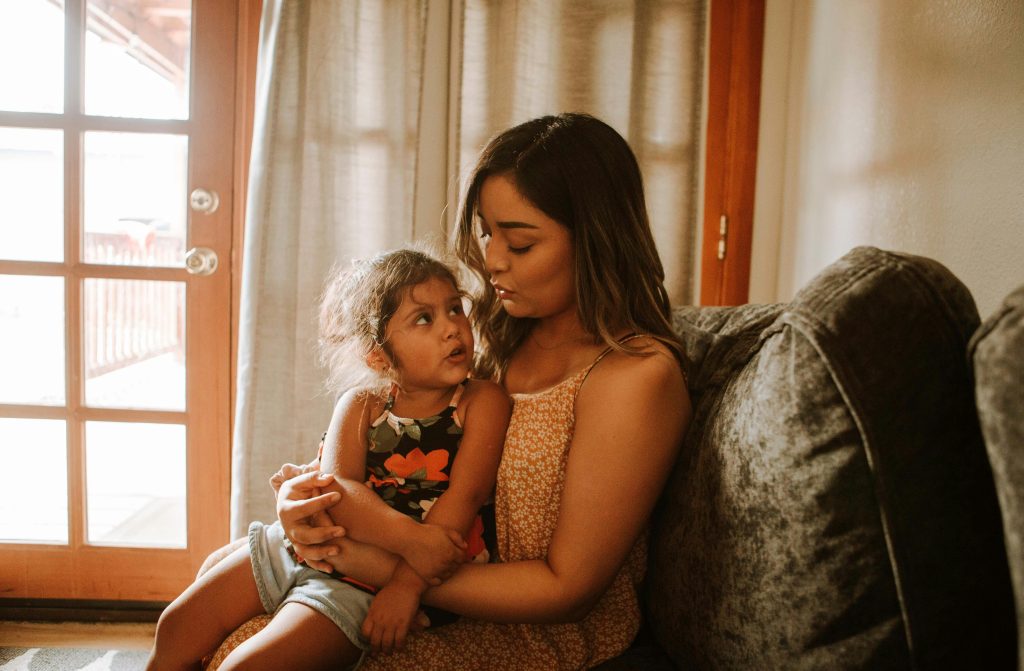
Why Children Can Thrive in a Single-Parent Home
One of the biggest misconceptions about solo parenting is that children are automatically disadvantaged. In reality, children benefit most from consistency, love, and healthy relationships.
A dedicated single mother who provides emotional support, clear boundaries, and encouragement can help children develop confidence and resilience that lasts a lifetime.
Words and meanings
Single Parent Mom: A mother who raises her child or children without a spouse or partner living in the home.
Solo Parenting: The responsibility of raising children alone and making parenting decisions independently.
Resilience: The ability to recover from challenges, difficulties, and stressful situations.
Confidence: A child’s belief in their own abilities, skills, and self-worth.
Support System: Family, friends, or community members who provide emotional or practical help.
Responsibility: The duty of caring for children and managing household needs.
Independence: The ability to make decisions and handle tasks without relying heavily on others.
Encouragement: Positive words or actions that help children feel motivated and valued.
Communication: The process of sharing thoughts, feelings, and information effectively with children.
Stability: A safe, consistent, and secure environment that helps children feel protected and supported.
1. Create Predictable Routines
Children feel more secure when daily life follows a pattern. Consistent meal times, homework schedules, and bedtimes create stability.
Simple routines help reduce stress while teaching responsibility and independence.
Benefits of Daily Routines
- Improved behavior
- Better sleep habits
- Less anxiety
- Greater confidence
2. Prioritize Connection Over Perfection
Many parents worry about doing everything perfectly. The truth is that children need connection more than perfection.
Spend meaningful time together by:
- Reading books
- Sharing meals
- Playing games
- Talking about their day
These small moments strengthen trust and emotional security.
3. Encourage Open Communication
Children should feel comfortable expressing emotions and asking questions.
Listening without criticism teaches children that their thoughts matter. This skill is especially important during periods of change, such as divorce or family transitions.
4. Teach Responsibility Early
Giving children age-appropriate responsibilities helps build confidence.
Examples include:
- Organizing toys
- Helping with laundry
- Feeding pets
- Completing homework independently
Responsibility develops life skills while boosting self-esteem.
5. Build a Reliable Support System
No single parent mom should feel she must handle every challenge alone.
Reach out to:
- Family members
- Friends
- Teachers
- Community organizations
- Parenting groups
Strong support networks provide both practical help and emotional encouragement.
6. Take Care of Yourself
Parents often focus entirely on their children while ignoring their own needs.
Self-care helps prevent burnout and improves overall well-being.
Simple Ways to Practice Self-Care
- Get enough sleep
- Stay physically active
- Eat nutritious meals
- Make time for hobbies
- Connect with supportive people
A healthier parent creates a healthier family environment.
7. Use Positive Discipline
Effective discipline teaches rather than punishes.
Focus on:
- Clear expectations
- Consistent consequences
- Respectful communication
- Positive reinforcement
Children learn best when discipline is combined with understanding and guidance.
8. Celebrate Effort and Progress
Confidence grows when children feel recognized.
Instead of focusing only on results, praise effort, determination, and improvement.
Remarks like “I’m proud of how hard you worked” promote resilience and a growth mindset.
9. Develop Smart Financial Habits
Financial stress affects many families. Creating a practical budget helps improve stability and reduce worry.
Helpful strategies include:
- Tracking expenses
- Building emergency savings
- Limiting unnecessary spending
- Exploring assistance programs
Many communities offer resources designed to support parents raising children independently.
10. Lead Through Example
Children learn by watching the adults in their lives.
When they see you handle challenges with patience, determination, and kindness, they learn to do the same.
Your example teaches valuable lessons about character, responsibility, and perseverance.
Common Challenges and How to Overcome Them
Balancing Work and Family
Many parents struggle to juggle work responsibilities and parenting duties. Planning and maintaining routines can make daily life more manageable.
Managing Stress
Stress is a normal part of parenting. Exercise, journaling, mindfulness, and social support can help improve emotional well-being.
Dealing With Loneliness
Building friendships and participating in community activities can reduce feelings of isolation and create meaningful connections.
Conclusion:
Being a single parent mom comes with challenges, but it also provides opportunities to build a strong and meaningful relationship with your children. By focusing on consistency, communication, responsibility, and self-care, you can create a home where children feel loved, supported, and confident. Success is not about perfection; it is about showing up each day with dedication, patience, and unconditional love.
FAQs:
1. Can children succeed in a single-parent family?
Yes. Children can thrive when they receive love, stability, guidance, and emotional support.
2. What is the biggest challenge for a single mom?
Time management, financial responsibilities, and balancing multiple roles are common challenges.
3. How can I improve my child’s confidence?
Encourage independence, celebrate effort, and provide emotional support consistently.
4. Should I ask for help?
Absolutely. Seeking support can reduce stress and improve family well-being.
5. How important are routines?
Routines help children feel secure and create a structure that supports healthy development.
6. How can I reduce parenting stress?
Make self-care a priority, set reasonable expectations, and cultivate a solid support system.
7. What is the key to successful solo parenting?
Consistency, communication, and a loving environment are the foundations of successful parenting.
